
Why Is My Period 4 days late?

Last updated on April 28th, 2019 at 05:44 am
Question: Why is my period 4 days late? Is it possible to test negative and still be pregnant four days after missing my period?
While menstrual period is discomforting, it even worse to miss your period for 4 days. You now feel something is wrong with you and you will be asking your friends if it is okay or not.
But here’s the truth, your period can be unusual during some months, and it’s not fairly simple to explicitly tell the date of your next period.
Sometimes, your predicted due-date is missed by a few days, and at other times, your period arrives earlier than expected.
Having said that, it important you also know that a delayed period for 4 days can be due to medical issues, and yes, it could be pregnancy.
So, it’s important you start thinking back to be sure you never had unprotected intercourse, and if you did, taking a pregnancy test is important to ascertain if you are pregnant.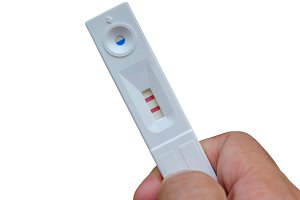
Most times, if its pregnancy, you may have started feeling uncomfortable by now with body changes that may include
- Breast tenderness
- Backache
- Vomiting
- Nausea and,
- Always appearing tired.
Also, taking emergency pills after sex or long-term contraceptives can delay your menstrual period.
So, if you’ve taken contraceptives, do not panic (it’s just the side effect of these medications)
Besides pregnancy and contraceptives, thyroid issues, excessive weight gain, and losing weight too fast can be a reason for your 4 days late period.
This article explains why your period is late for 4 days, early signs of pregnancy you can expect at this time, and the best time to confirm.
Why is my period 4 days late?
The menstrual cycle, which simply means the number of days between 2 of your periods, can vary from time to time. Normal menstrual cycle last 21 to 35 days.
Reasons, why your period is yet to come, are:
1. Pregnancy
Pregnancy is the commonest cause of 4 days late period.
Pregnancy symptoms are
- Breast pain
- Breast soreness
- Food aversion
- Breast swelling
- Change of smell and taste
- Fatigue
- Body weakness
- Increased urination
- Nausea
What to do?
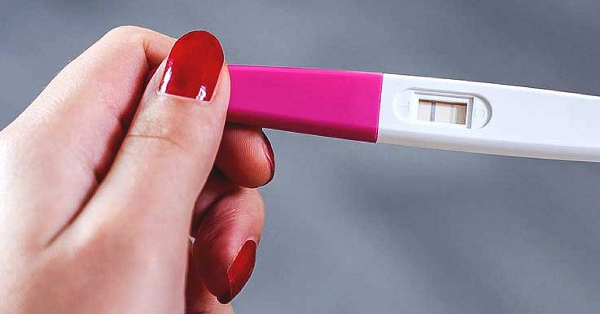 Having these symptoms strongly suggest pregnancy. It okay if you inform your general practitioner and also take a
test to confirm if you’re pregnant. However, if the test is negative, you should preferably hang on till seven days and repeat your test again.
The First response pregnancy test can easily detect pregnancy at 4 days after your period.
2. You are stressed
Stress can affect your body’s hormones that regulate ovulation and period.
What to do?
Having very stressful days, weeks and months can delay your period from coming when due. Reducing your body’s stress level with regular exercise will help.
3. Oral contraceptives
If you’re on a pill which prevents ovulation and pregnancy, then it’s likely the simple reason your menses is still to come. Newer generation pills can stop your period for months.
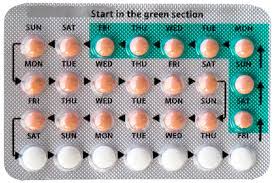 If you are not sure what types of COC pills you’re taking, consult your health care provider about side effects of your pills.
However, missed pills for days or weeks without additional contraception may result in pregnancy. If you have missed your medications for days and had unprotected sexual intercourse, it’s likely you’re pregnant.
Taking a pregnancy test is an easy way to confirm if you’re pregnant. In some women, it may perhaps be negative resulting from low hormones in blood and urine. Wait for a few days and check for pregnancy again.
4. You took emergency contraception
If you took an emergency contraceptive pill after intercourse, then your period may be delayed. After morning pills or emergency contraception works by blocking ovulation or delaying it.
If ovulation is delayed, your period will be affected too.
5. Perimenopause
The years just before your period finally stops (menopause) is perimenopause. During this period, your ovarian eggs are already depleted. You may notice your period is coming late than normal.
If you are between 40 and 50 years with 4 days late period, it could be an early sign of peri-menopause.
Other symptoms of peri-menopause are
- Hot flushes
- Osteoporosis
- Dry vagina
- Loss of sexual interest
What steps should I take?
Inform your doctor about your symptoms. Use of systemic or topical estrogen may help relieve some of these symptoms.
6. You have polycystic ovarian disease (PCOS)
A polycystic ovary is a common cause of infertility and a late period in women. Other signs of PCOS are
- Male type hair distribution
- Light period
- Irregular period
- Obesity
- Difficulty to conceive
- Multiple cysts in your ovaries during an ultrasound scan
- Acne breakout
Other factors that may affect your period from coming when due are
Thyroid dysfunction
After an abortion
Abortion complications like Asherman syndrome
Intrauterine devices
You’re not sure of your next period date
FAQs about 4 days late period
If perhaps period is four days past due date, these are a few questions that may concern you.
Is period 4 days late white discharge due to pregnancy?
If your period is four days late with heavy white discharge, it might possibly signify pregnancy.
During your period cycle, there is a cyclical change in the texture and volume of discharge from your vagina. Just before period and due to a reduction of progesterone hormone, women have a dry vagina or thick discharge.
During ovulation and if you’re pregnant, women have increased milky white discharge.
If your period is 4 days late and you experience increased vaginal discharge, then it’s likely due to pregnancy.
What if I have a negative pregnancy test?
If your period is 4 days late with a negative pregnancy test, it could be due to
- Eating disorders
- Stress
- Thyroid dysfunction
- Use of contraceptives
- After morning pill
- Peri-menopause
- You just started having period for the first time
What to do?
If your pregnancy test result is negative 4 days after your period, it may still not be accurate if your body’s pregnancy hormones are still low. Wait till it’s seven days past your period date and check again.
Period 4 days late should I test immediately or wait on?
Four days missed period is possibly pregnancy. You should get a first response pregnancy kit and test for pregnancy.
However, the best time to check for pregnancy is certainly one week following missed period.
What if I’m experiencing back pain and abdominal cramps?
If your period is 4 days late and you have cramps then it’s likely because you’re pregnant.
Do you have other pregnancy symptoms?
Cramping that occurs on the fourth day after your period is as a result of improved blood supply to your womb. However, if you’ve always had cramps during your period cycle, then it may very well be because of other causes.
Click here to learn other causes of cramp before period.
What if I have no pregnancy symptoms?
Period 4 days late and absent pregnancy symptoms is due to
- Stress
- eating disorders
- contraceptive pills
- Peri-menopause
- Premature ovarian failure
- Polycystic ovaries
- Months after the first period
- You had an abortion
- You took emergency pills to prevent pregnancy
