
Period 2 weeks Early: Light Or Heavy? 8 MAIN Causes
Last updated on July 27th, 2018 at 05:09 pm
Period 2 weeks early may cause women to panic especially if it happening for the first time.
Should your period come two weeks earlier than normal, it may not mean a serious problem. In fact, it’s possible you may have light vaginal bleeding or spotting that can occur for many reasons.
You should understand that most women’s menstrual cycle lasts for around 28 days. However, this can vary from one woman to another; If your period comes between 21 and 35 days, it is considered normal.
In some women, various activities like stress, severe weight burn out, emotion issues with your lover and many nights without bedrest may cause hormones to be secreted abnormally, resulting in an early period.
While the chances you could be pregnant may be slim, it’s still possible. This may occur because of implantation bleeding if you’ve had an unsafe sexual intercourse with your boyfriend
In this article, we explain the causes of 2 weeks early period and when you must see your doctor.
What does it mean when your period is two weeks early?
If you have a regular menstrual cycle, it’s very easy to know when there is a problem. This may be difficult if your menstrual cycle is still not regular, especially for young girls and women close to menopause.
Should you have a regular cycle and your experience vaginal bleeding 2 weeks from time, these are possible causes.
1. Hormone imbalance
When you get worked-out or stress yourself beyond your limits, your body may react by obstructing secretion of gonadotropin-releasing hormone from the hypothalamus.
If this happens, it’s possible you could have an early period or a lighter than normal period.
Dysfunction of hormone secretion from the hypothalamus can occur in different ways. Some way your actions could result in hormone imbalance are
- Getting worked out for weeks and months without adequate time for relaxation
- You don’t get enough sleep due to the nature of your job or while preparing for an examination
- You recently had a very long journey
- You’re troubled by an emotional or mental problem
- You are depressed
- You’ve lost so much weight
- You’re eating very little (anorexia nervosa)
- You are obese or eating too much
These lifestyle changes may result in unstable hormones that could make your period come early.
However, long-term illnesses like hypertension, thyroid dysfunction, and diabetes may also affect your period.
2. Pregnancy
Sometimes, it is possible your vaginal spotting may be due to implantation bleeding. Implantation bleeding is an early pregnancy sign and occurs about a week before your next period date.
If you had sex with your spouse without any pills or protection, you might get pregnant. Sperm fertilizes the ovum with the formation of the embryo.
At the uterus, the fertilized egg (embryo) will get appended to the endometrium – the inner covering of the uterus. During this process called implantation, women may experience some form of bleeding.
If you are pregnant, these are some symptoms you may experience
- Implantation spotting
- Abdominal pain, discomfort, and cramps
- Nausea
- Breast swelling and pain
- mood changes, lack of concentration
- Fatigue
How to confirm pregnancy
Because there are other reasons you could spot two weeks from your period, it’s important to be conscious of early pregnancy signs. This may be difficult especially if you are not expecting a pregnancy.
If you’ve had sexual intercourse with these symptoms, it’s likely you are already pregnant.
However, symptoms are not enough to tell if you are pregnant or not. You should confirm with a reliable pregnancy kit.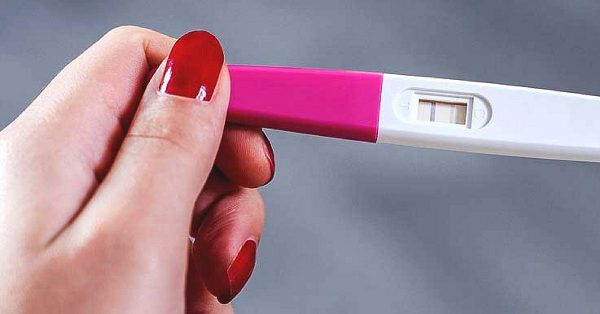
In some women, pregnancy may not be visible on strips if tested very early. I will advise you wait for a week after spotting to test.
On the other hand, if you want to get a result very quickly, use the First Response pregnancy kit. This kit is very sensitive and can detect if you’re pregnant five days before your period.
3. You started having period for the first time
Quite often, after having your first menstrual period (menarche), your hormones may still fluctuate occasionally causing an earlier than normal period.
You should not get troubled if this happens; it is not abnormal and period should get consistent in a few years.
4. You used an emergency pill after sexual intercourse
It’s possible you could spot after taking an emergency contraceptive pill. Emergency pills after sexual intercourse work by stopping ovulation or delaying it from coming. These pills could have serious effects on your hormones.
Depending on when pills are taken, either before or after ovulation, it may result in an early period, late period or spotting.
5. You are on birth control medications
Birth control pills are popular in the United States with more than 11 million women on these pills. However, it could have some side effects which include spotting in between your periods.
Vaginal spotting on birth control medications is not unusual. This usually happens in the first nine months after starting your pills. It’s important you monitor your period during this time.
While it is common for menstrual period to become lighter on birth control pills, some women may have a heavy period.
Large blood clot during period is not normal. Talk to your doctor if this happens.
6. Ovulation bleeding
Ovulation occurs when your ovaries release eggs. This happens after the most dominant follicles in your ovaries burst open and bleed.
This bleeding may come out as spotting two weeks into your menstrual cycle and may easily be confused as period. Other signs of ovulation are
- Heightened libido for sexual intercourse
- White watery discharge that is stretchy and egg-like
- Abdominal cramps two weeks into your menstrual cycle
- Breast pain
- Ovulation blood is usually pinkish or brownish in color.
Period 2 weeks early: When to worry?
7. Polycystic ovarian syndrome (PCOS)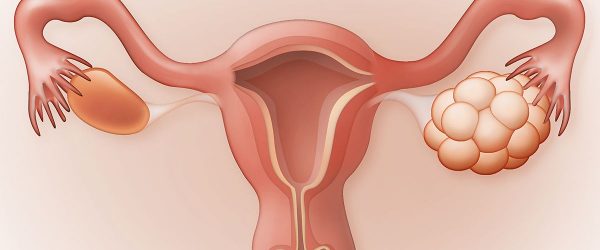
Multiple abnormal cystic lesions on the ovaries could potentially cause a light period that is irregular. If you encounter an early period for the very first time, it’s likely not caused by polycystic ovaries.
Having said that, if your missed period for a few months with irregular spotting, it could be due to PCOS. Other symptoms that may suggest you have polycystic ovaries are
- Abnormal weight gain
- Acne/pimples breakout
- Infertility for many years
- Excessive loss of hairs
- Irregular periods
- Oily skin
8. Vaginal infections
Vaginal infections can cause spotting two weeks after a period or anytime during your menstrual cycle.
Ways to know you have an infection are
- Smelly vagina
- Smelly vaginal discharge
- Vaginal itching
- Vaginal soreness
- Pain during or after intercourse
- Bleeding easily after doctor’s examinations
- Low abdominal pain
- Pain while urinating
FREQUENTLY ASKED QUESTIONS
1. Period 2 weeks early and heavy, Am I Pregnant?
It’s possible you could have an early period with heavy bleeding. This may occur due to hormone imbalance. However, there is still a chance you are already having a miscarriage.
The truth is that implantation bleeding is light, and may easily be missed. Heavy bleeding with fetal tissue are signs of a miscarriage.
Other causes are
- Uterine fibroid
- Cancer
- Vaginal infections
- Ectopic pregnancy
2. What causes Light period 2 weeks early?
Light spotting two weeks early may be due to ovulation or pregnancy. Other possible causes are
- Birth control pills
- Emergency pills
- Weight loss
- Stress
- Lack of sleep
- Emotional problems
- Vaginal infections
