
Bloating During Ovulation with Gas: Causes, Treatment
Last updated on July 26th, 2018 at 05:32 pm
Question: What causes gas and bloating during ovulation? How long does ovulation bloating last?
Ovulation is a normal physiologic process that women experience from time to time. While you are expecting your period to begin, most times, you get different body symptoms that show your menstruation is close. Likewise, there are also other signs that can help you identify ovulation.
One common way is through the thickness of your discharge. During ovulation, an egg-like stretchy discharge is one way to tell if you are ovulating.
Another symptom a lot of girl experience is bloating during ovulation. Bloating is a perception of a swollen or distended stomach that makes you feel you’ve added more weight. Most times, you begin to feel cramps and belly tightness.
Abdominal bloating during and after ovulation occurs because of hormones, and the truth is, in most women, it’s not a cause for concern.
Here’s an email from one of my readers (Funmi)
Dear Doctor Dunn,
I am Funmi and need your help on what to do. For up to 6 months now I have been experiencing what can best be referred to as unpleasant stomach gas, belching, stomach rumbling, and flatulence every single time. No loss of appetite. No real pain, just abdominal discomfort. Bowel movements are fairly normal.
Surprisingly, I do not have any other symptoms, though, symptoms get worse during and after ovulation.
Should I get concerned if I feel gassy during ovulation? Are there ways I can ease these symptoms?
Just like Funmi, you will be worried if you experience cyclical symptoms of bloating that occurs during ovulation; But you shouldn’t. It occurs because of ovulation hormones, and may sometimes be worsened by what you have eaten or drank.
Nevertheless, bloating during ovulation may occur for some other serious reasons that will require you to see a doctor immediately. Irritable bowel syndrome, lactose intolerance, food allergy, overeating, constipation are other causes of bloating.
This article explains the why you feel bloated during ovulation, the scientific reason you continue to experience bloating after ovulation, food that worsens your symptoms, and easy ways you can feel better.
What causes bloating during ovulation?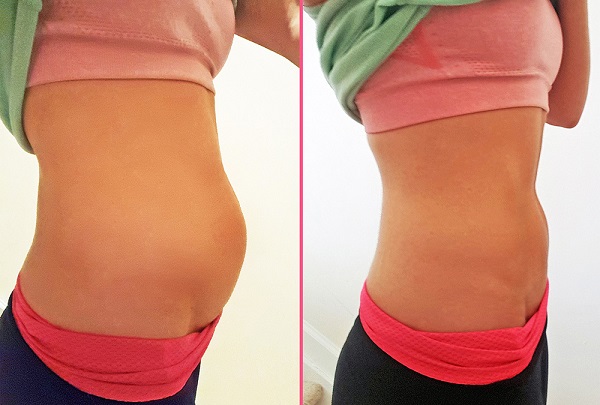
Ovulation is the release of one or more egg from a ruptured ovarian follicle from either the right or left ovary. Before and after ovulation occurs, there are different hormone changes that affect the way you feel.
If you have a 28-day menstrual cycle, you are most likely to have ovulation on day 14. This means, just a week after the end of period, your ovary releases ovulation egg.
Before this time, and just after period, your body estrogen begins to rise. Estrogen triggers water retention that causes you to feel bloating.
Bloating before ovulation occurs because of the surge in estrogen, and during ovulation, you will experience symptoms too.
What causes bloating after ovulation?
After ovulation has occurred, another hormone, called progesterone, begin to spike and causes changes to your gastrointestinal tract.
After rupture of the follicle with the release of an egg, the ruptured follicle breaks down and forms a yellow tissue called corpus luteum. The role of the corpus luteum is to secrete progesterone and estrogen that helps prepare your womb for pregnancy.
In the event that you get pregnant, the corpus luteum continues to produce these hormones in early pregnancy. However, if you do not get pregnant, the corpus luteum breaks down resulting in a decline of progesterone, and then your next period starts.
Progesterone has many effects on your body and can cause bloating after ovulation. It usually takes some time for food to move through your gut. Progesterone slows down food movement, resulting in constipation, and then an increase formation of gas in your abdomen.
If this happens, you will experience abdominal tightening and bloating for a few days.
Bloating during ovulation and gas: When to worry?
Most times, ovulation bloating and gas is normal and occurs because of hormone changes. So, if you feel stomach upset and pain during ovulation, it’s not entirely abnormal. However, you should see your doctor if you experience
- Frequent diarrhea for days, weeks or months
- Fever
- Vomiting
- Severe abdominal pain that is not relieved after passing gas
- Constipation for days
- Rectal bleeding
What other conditions can cause bloating?
1. Irritable bowel syndrome (IBS)
Irritable bowel disease is a non-contagious and non-inflammatory condition that results from the abnormal movement of food in the large intestine.
If this occurs, you will feel gassy, flatulence, abdominal cramps, lack of appetite, and bloating.
2. Perimenopause
Perimenopause is a stage in a woman’s life when things get different, and your hormones fluctuate from time to time.
In your ovaries are multiple follicles that are released during ovulation. Toward your 40’s and 50’s, there is a decline in the number of follicles and this can result in hormone fluctuation.
This hormones fluctuation will cause bloating and you will also feel less urge for sex, body weakness, hot flashes, and vaginal dryness.
If you are more than 4o years and feel abdominal pain and bloating, see your doctor for help.
How to stop bloating during ovulation?
If you feel severe bloating during ovulation for the first time, it’s important you see your doctor. It may be something else.
Then again, cyclical bloating can be messy and cause severe discomfort. Here are some ways to feel better
- Take a lot of water daily to ease your symptoms and feel hydrated
- Avoid stress
- Avoid soda and carbonated drinks as they will push in more gas into your intestine and cause discomfort
- Quit smoking if you do
- Stop habits of chewing gum
- Take drinks through a straw? Then stop
- Add fibers to diet to increase movement of food in your intestines
- Eat regular smaller meals
- Take banana, lemon juice, ginger and yogurt
- Avoid raw cruciferous vegetables, onions, sugary drinks, alcohol, beans and legumes
What causes bloating during ovulation and weight gain?
Midcycle weight gain that follows a pattern is not a cause for alarm. Weight gain during ovulation occurs because of changes to your body hormones, as both progesterone and estrogen make you retain more fluid than normal.
If this occurs, you can add a few pounds for a few days, so, it’s not something you should worry about. Though, you may still find you add more weight just before your period.
How long does ovulation bloating last?
Abdominal bloating and increased weight that are attributed to ovulation can be disturbing. But they do not last for a long time as most women feel okay after a few days.
In addition, in the luteal phase of the menstrual cycle, you may also feel bloated again. This occurs because of the effect of progesterone.
If you feel severe bloating during ovulation and persist for a long time, see a doctor for help.
